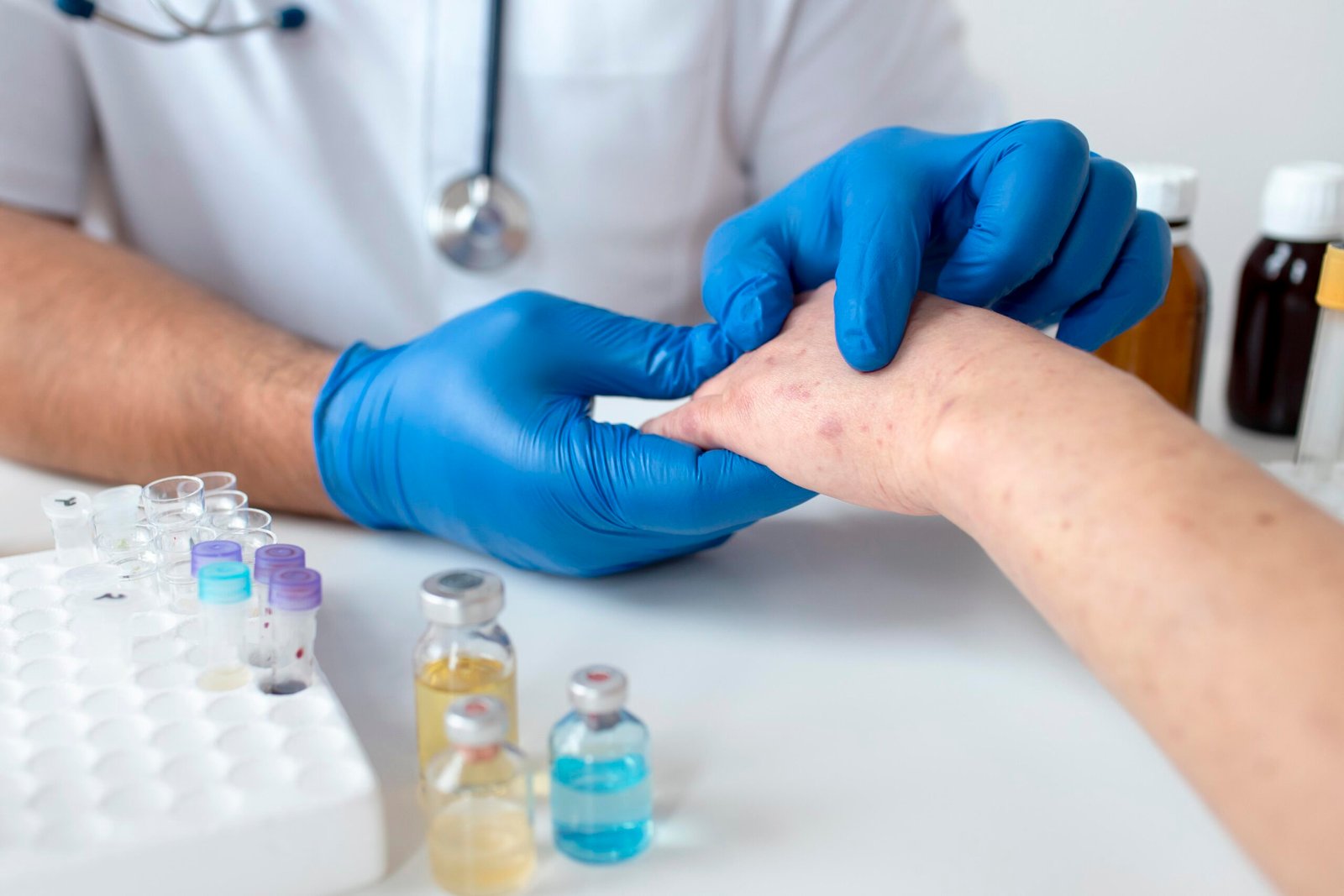
Herpes is one of the most common viral infections worldwide, affecting millions of people each year. For those living with the condition, the search for an effective herpes treatment often leads to questions like “Is there a cure for herpes?” and “What’s the best approach, natural or medical?” While there is currently no permanent cure for herpes, there are multiple treatment options that can help manage outbreaks, reduce symptoms, and improve quality of life.
In this article, we’ll explore both natural remedies and medical treatments for herpes, helping you understand which approach, or combination, may be best for you.
Medical Approaches to Herpes Treatment
Medical treatments are the most common route for managing herpes. These options focus on suppressing the virus and controlling outbreaks rather than providing a complete herpes cure.
- Antiviral Medications: Drugs like acyclovir, valacyclovir, and famciclovir are widely prescribed to manage herpes symptoms. They help reduce the severity and duration of outbreaks while also lowering the risk of transmission.
- Suppressive Therapy: For individuals with frequent outbreaks, daily antiviral medication can significantly reduce recurrence.
- Topical Treatments: Creams or ointments may provide localized relief for sores, though they are usually combined with oral antivirals for stronger results.
These medical approaches are scientifically tested, reliable, and widely available. However, they require continuous use and do not eliminate the virus entirely.
Natural Approaches to Herpes Treatment
For those seeking a more holistic path, natural remedies have gained popularity. While they may not provide a cure for herpes, many people report benefits in reducing outbreak severity and supporting overall immune health.
- Diet and Nutrition: A diet rich in lysine (found in fish, chicken, and dairy) and low in arginine (nuts, chocolate, and certain grains) is believed to help manage outbreaks.
- Herbal Remedies: Herbs such as echinacea, lemon balm, and licorice root are known for their antiviral properties.
- Lifestyle Changes: Stress is a major outbreak trigger. Stress-reduction practices like yoga, meditation, and adequate sleep can help minimize flare-ups.
- Supplements: Vitamins C, D, and zinc may help strengthen the immune system, potentially reducing the frequency of outbreaks.
While natural treatments may not replace medical options, they can complement traditional therapies for a more balanced approach.
Finding the Right Balance
So, is there a cure for herpes? The short answer is no, not yet. However, combining medical treatments with natural lifestyle adjustments may offer the most effective strategy for managing herpes long-term.
At Herps Solution, we understand the challenges of living with herpes. That’s why we provide resources, guidance, and support to help you explore safe and effective herpes treatment options.
Final Thoughts
Whether you choose medical therapy, natural remedies, or a combination of both, the key is consistency and self-care. While the world still awaits a true herpes cure, effective treatment plans are available today to help you live confidently and comfortably.
For more in-depth solutions and guidance, visit Herps Solution and take the next step toward managing herpes on your terms.